If you are comparing window options and your shortlist keeps circling back to aluminium, you are on the right track. Double-glazed aluminium windows have matured well beyond their commercial origins. The frames are slimmer, thermal breaks are smarter, and the hardware is leagues better than the clanky gear we wrestled with a decade ago. In the right hands, they deliver a clean, modern look with serious performance. The trick is finding the right product and the right team to fit it.
I spend a lot of time on projects across London and the South East, from brick-fronted terraces to new-build mews and commercial conversions. The most common brief sounds like this: more natural light, better insulation than the draughty timber we are replacing, and a profile that does not fight the architecture. Aluminium ticks those boxes when it is double-glazed and properly specified, and it holds its finish in a way uPVC struggles to mimic. If you have been searching for aluminium windows near me and wading through generic brochures, this guide will help you cut through the noise.
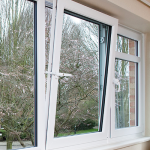
What you actually get with aluminium frames
The headline feature most people notice is the sightline. Aluminium’s strength allows slender frames that hold large durajoin.com panes without chunky reinforcement. That creates a wider glass area and lifts a room even on grey days. In practice, a well-designed aluminium casement can give you 5 to 15 percent more visible glass than a like-for-like uPVC unit. On bay windows and sliders, the difference feels bigger.
Thermal performance used to be the elephant in the room, back when aluminium meant cold to the touch. Today the story is different because of thermal breaks, the uninterrupted polymer sections that sit between internal and external aluminium. A decent system paired with a quality double-glazed unit lands in the U-value range of 1.2 to 1.5 W/m²K for the whole window, sometimes better. That is a far cry from the old single-glazed steel of mid-century stock, and it comfortably meets current building regulations in England.
Another reason I recommend aluminium is how it wears. The powder-coated finish, when done to a proper marine-grade standard, resists chalking and fading. In London’s traffic grime and occasional Saharan dust events, I see five- to seven-year-old installations that still wipe clean to a uniform sheen. Compare that with white uPVC, which can yellow or develop hairline crazing around the welded corners, especially on sun-baked elevations.
Security is solid when you choose the right hardware. Look for multi-point locking, hinge-side bolts on openers, and laminated inner panes if you want a step up in burglary resistance without going to triple glazing. Many manufacturers supply PAS 24 compliant units as standard now. Acoustic performance is another quiet advantage. A 6.4 mm laminated inner pane matched with a 4 mm outer pane and a 16 mm argon-filled cavity cuts road noise in a way you will notice on day one, especially on primary routes and near the Tube.
Double glazing specifics that matter
Not all double glazing is equal. You are paying for a sealed unit that must hold gas and resist moisture for decades. The spacer bar between the panes is a small detail with a big impact. Warm-edge composite spacers reduce the cold-bridge at the perimeter and cut down on the telltale condensation line in winter. Aluminium spacers are old school; avoid them unless there is a specific reason.
Gas fill is typically argon, around 90 percent, which is more than enough for most residential projects. Krypton exists, but I rarely spec it for double glazing because the cost-to-benefit ratio makes sense only in narrow cavities or when chasing a certification threshold. Low-E coatings are standard now, but the coating choice matters. A soft-coat low-E, tuned to keep winter heat in and reflect summer gain, will outperform the cheaper hard-coat alternatives. If your room bakes in the afternoon, ask about solar control glass with a slightly lower g-value. The tint is minimal in good products, yet it makes a noticeable difference in thermal comfort.
Spacer width and glass thickness must be balanced. A 28 mm unit is a solid default: usually 4-20-4 or 6.4-16-4 if going laminated. In period terraces with slender sightlines, some systems use 24 mm units without a dramatic performance penalty. The key is ensuring the frame is engineered around the glazing choice so you do not accidentally compromise drainage or glazing bead security.
Style, sightlines, and matching your home
Aluminium’s styling has range. In Victorian and Edwardian homes, I often recommend a slimline system with astragal bars that echo the original timber look without going faux. Do not overdo the bars; a couple of strong verticals and a single horizontal can nod to heritage proportions without turning the glass into a patchwork.
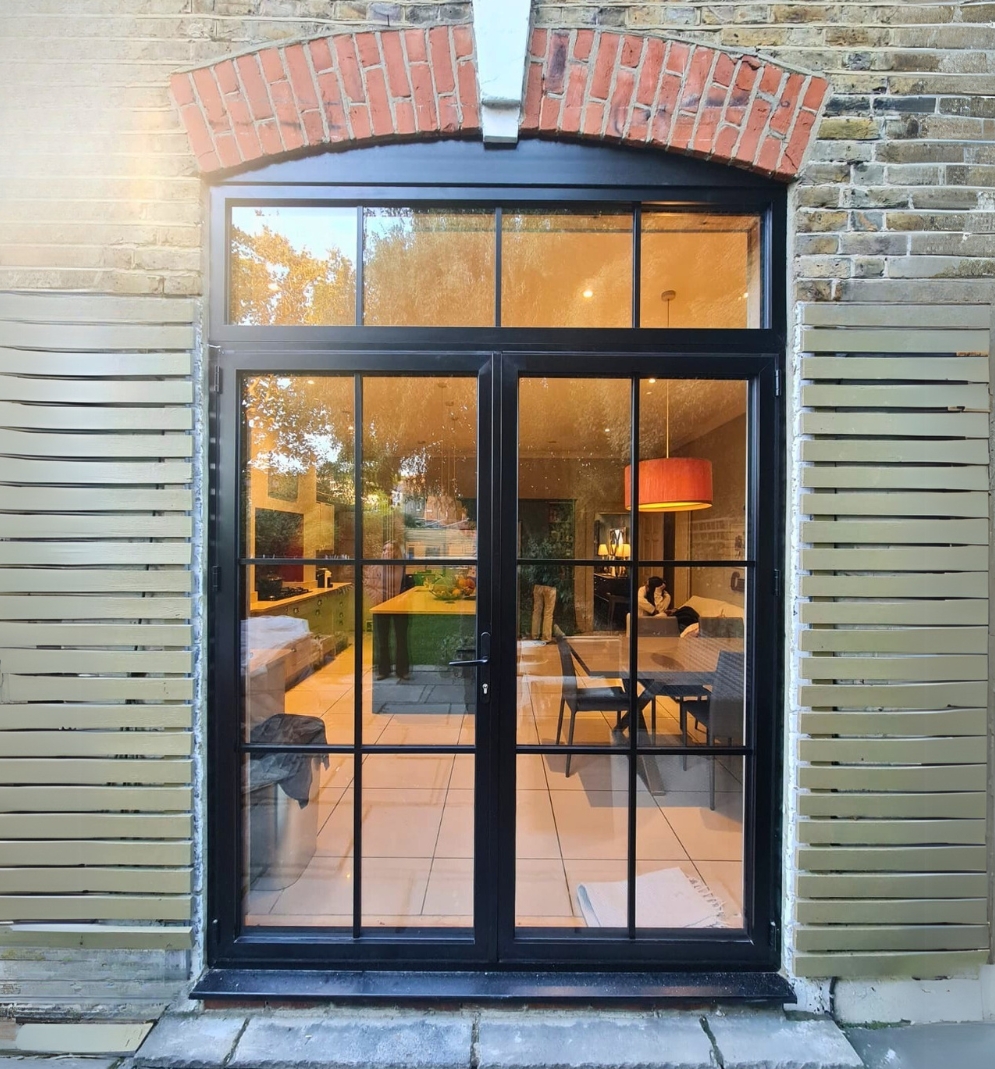
Modern homes benefit from flat-faced profiles, black or dark grey (think RAL 9005 or 7016), and hidden drainage for a cleaner exterior. Flush casements have gained traction because they sit neatly within the frame, avoiding the stepped look of standard casements. If you are pairing windows with aluminium doors, keep your paint finish and handle choices consistent. The visual continuity between windows, sliders, and entrance doors does a lot of heavy lifting for curb appeal.
For ground-floor extensions and kitchen diners, I often combine fixed picture windows with one or two opening casements rather than making everything openable. You gain glass area and reduce visual clutter. Add secure trickle vents or specify night-vent positions on the openers to manage airflow without compromising security.
Real performance on London projects
A few examples will help calibrate expectation. In Walthamstow, we replaced eight 1970s uPVC casements with aluminium double glazing on a north-south terrace. Gas bills fell by around 10 to 15 percent over the following winter, judging by meter data the client shared, even though much of the savings came from sealing up gaps and fitting new frames square. The more striking change was acoustic: traffic noise dropped by an estimated 8 to 10 dB. The kitchen, which faced a bus route, became a place to have a normal conversation again.
In a Fulham ground-floor flat, we installed a combination of a large fixed pane and a top-hung opener above it, both in aluminium. The fixed pane measured 2.4 metres wide by 1.6 metres high. Using a slim system with structural silicone glazing on the fixed pane, we achieved a continuous sightline across the garden that timber could not match without beefy mullions. Thermal comfort improved in winter evenings because of the low-E soft coat and a warm-edge spacer. The owner remarked that the radiator cycle shortened by roughly a third on cold nights, a subjective measure but one I have heard more than once.
On a Hampstead mews, a client insisted on black frames inside and out. We specified a dual-colour powder coat to avoid heat gain from a black exterior cooking a south-facing elevation. The interior remained black; the exterior shifted to a dark grey with a lower solar absorptance. That compromise kept the aesthetic inside while moderating summer expansion and the stress on gaskets and sealants. The hardware choice included friction stays rated for heavy sashes, avoiding the sag you sometimes see on tall openers.
Where aluminium beats uPVC and where it doesn’t
Aluminium wins on sightlines, finish options, longevity, and the ability to carry large panes. It holds square better over time, which keeps weathertight seals properly compressed. For contemporary architecture and mixed-use buildings, it is the natural choice. If you are after coloured frames, powder coating produces a richer, more durable surface than foil wraps on uPVC.
uPVC, however, is still cheaper, often by 15 to 30 percent on straightforward openings. If budget is tight, uPVC can make sense for secondary elevations or rentals, especially when paired with laminated acoustic glass. Timber sits in its own category. In conservation areas, timber may be non-negotiable, and a well-made timber window with a good paint system can last, provided someone cares for it. That is the rub; neglect erodes timber quickly.
Aluminium’s Achilles’ heel is thermal mass and touch temperature. The internal face can feel cooler on icy mornings than timber, even if the overall U-value is similar. Good curtains and blinds help, and the comfort difference is modest with modern thermal breaks. Another caution: low-cost aluminium systems often skimp on gaskets and drainage paths. You pay later with stiff handles and water tracking where it shouldn’t. Choose a system with proven weather testing rather than the cheapest catalog price.
Local realities: planning, regulations, and London quirks
In many London boroughs, replacing windows on like-for-like terms is allowed under permitted development. Conservation areas complicate things. Councils typically examine glazing bars, opening styles, sightlines, and external profiles. Aluminium can pass muster if it respects the original pattern. I have secured approvals in Camden and Haringey with slimline aluminium systems that mirror timber sash proportions, using putty-line effect glazing beads to appease conservation officers.
Building regulations focus on thermal performance, ventilation, safety glazing near doors and at low heights, and egress for bedrooms. Ask your installer for a FENSA or CERTASS certificate on completion, which confirms compliance and aids future sales. Fire egress clear opening sizes catch people out on small bedrooms. A top-hung vent without adequate size will fail. On the ground floor, safety glass is non-negotiable in areas defined by Part K, and laminated glass is my preferred solution because it improves security and sound as well.
Trickle vents are a sore subject. They are required for most replacements unless the property already has a compliant ventilation system. The trick is to specify integrated vents that do not ruin sightlines. Some aluminium systems tuck slender vents into the head profile or use over-frame canopies colour-matched to the frame.
Finding the right aluminium windows near me
Your shortlisting process should start with systems, not just installers. In and around the capital, you will see a handful of reputable brands recur. They differ in frame depth, thermal break design, and available configurations. Once you pick a system that suits your property, find an installer with a track record in that system. Fabrication quality varies, and the best fitters know the quirks of particular profiles, from glazing packer placement to drain hole positioning.
Aluminium Windows in London is a competitive field with a wide Aluminium Doors in London range of offerings. I look for fabricators who are happy to show a workshop, not just a showroom, and who can discuss gasket compounds, condensation paths, and powder-coat warranties without resorting to vague superlatives. Ask to see a corner sample cut-through. The thermal break, inner chambers, and bead design should be evident at a glance.
Durajoin Aluminium Windows and Doors is one example of a supplier that understands the London housing stock and the need for nimble scheduling. On a Battersea job where access was tight and scaffold time costly, their crew pre-assembled and dry-fit tricky units in the workshop, cutting the on-site glazing time by a day. That coordination matters more than glossy brochures. If you are also exploring Aluminium Doors in London for a rear extension, keeping windows and doors under one roof simplifies colour matching and lead times.
The on-site process and what to expect
Good installations are quiet in the sense that they produce no drama. The crew turns up with the right fixings, packers, and sealants, and the frames slide into the openings without forcing or over-packing. Survey accuracy is critical. I insist on measuring each opening top, middle, bottom, both diagonals, and checking reveal plumb. Victorian brickwork is rarely square, and you want the window squared to itself, not twisted to meet a wobbly reveal. That calls for appropriate tolerance in manufacturing. Too tight, and the fitters will plane plaster or compress insulation, which invites future movement. Too generous, and you are burning time and money on site filling gaps.
A proper job removes old frames fully, repairs damaged reveals, and uses expanding foam sparingly, more as an air seal than a structural fix. Mechanical fixings go into solid masonry, not just into the softer inner leaf. Perimeter seals should be a two-stage strategy: inner air seal and outer weather seal with a breathable tape or silicone that suits the substrate. On the outside, colour-matched silicone or neat trim should look deliberate, not like an afterthought.
Glazing should sit on load-bearing packers, never directly on the frame. Drainage holes must remain unobstructed, which sounds basic until an overeager decorator blocks them with paint. Hardware is adjusted at the end, not left for a callback. Expect a final handover with operation and maintenance guidance, plus registration for the warranty and FENSA or CERTASS certification.
Costs, lead times, and where the money goes
For a typical London semi, aluminium double-glazed casements usually range from £650 to £1,100 per window supplied and fitted for straightforward sizes, rising with larger panes, complex shapes, or dual colours. Large sliders, corner windows, or shaped glazing push costs higher. Acoustic laminated glass adds roughly 10 to 20 percent depending on thickness. Dual-colour powder coating carries a premium, as do bespoke handles and heritage detailing.
Lead times ebb and flow. Eight to ten weeks is common from survey to install, with some suppliers turning around standard colours in four to six weeks. If you are folding in Aluminium Doors in London like bifolds or sliders, align all orders so the powder coat batch is consistent. Mixing batches risks subtle shade shifts, and you will notice it when frames sit side by side.
Maintenance and lifespan
Aluminium windows are low maintenance, not no maintenance. A soft wash twice a year with a mild detergent keeps the powder coat fresh. Avoid abrasive pads and aggressive solvents. Check and clear drainage slots while you are there. Hinges like a light oil once a year, especially on coastal or exposed sites. Gasket inspection is underrated; a small split near a corner can cause local condensation that masquerades as a glazing failure.
Expect a 20- to 30-year service life with minimal drama, often longer. Glazed units typically carry 10-year warranties. When a unit eventually fails and mists internally, replacement is straightforward if the beads are in good nick. Keep your paperwork; matching the original spec makes replacements painless.
Answering the question behind “aluminium windows near me”
When clients type Aluminium windows near me, they are not just asking for proximity. They want someone who knows local planning quirks, the fabric of London housing, and how to execute quickly without cutting corners. A nearby installer helps with aftercare, but the more important proximity is to the details that matter: correct surveying, honest lead times, clean powder-coat batches, and glazing that balances thermal and acoustic needs for a busy city.
If you are in the research phase, visit two showrooms and at least one live site. Touch the frames, open the sashes, listen to the seals as they compress. Look at the bottom rail and the drainage caps. Ask how they fix into cavity walls versus solid brick, and how they handle reveals with blown plaster. Good fitters light up when you probe those specifics. They will talk about packer placement, frame toe-and-heeling on heavy doors, and sealing tapes by brand name, not vague categories.
When to consider triple glazing or secondary glazing
Double glazing suits most London homes. Triple glazing makes sense where external noise is extreme or when a project chases passive house metrics. It brings added weight, thicker frames, and diminishing returns in our relatively mild climate. Secondary glazing is a clever alternative for listed buildings or flats where you cannot alter the external facade. Pairing a slim secondary pane with existing windows can beat a standard double-glazed unit on soundproofing because of the wider air gap. The trade-off is visual, with extra lines on the inside.
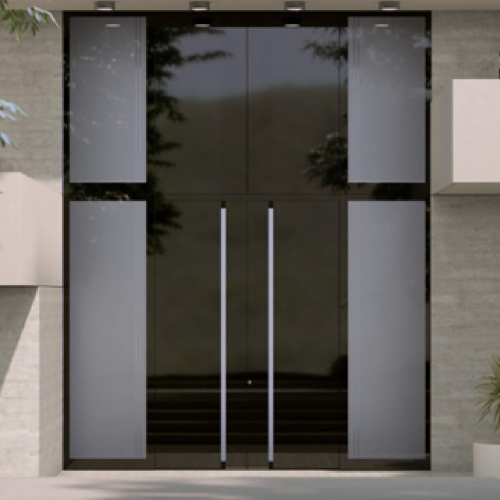
Bringing it together with doors and larger openings
If you are updating windows and adding a garden opening, keep the system family consistent. Bifold doors look best when their sightlines and powder coat match the windows, and they perform better when glazing specs are coherent. For heavy use, I lean toward sliders over bifolds for reliability and tighter weather seals. Sliders can carry bigger panes with fewer interruptions, and modern hardware glides smoothly even at three metres high. If you go for a corner slider without a post, early structural coordination matters. Steel or engineered timber needs to be in the conversation before anyone orders glass.
Coordinating Aluminium Doors in London with your windows keeps the palette unified and avoids the headache of mismatched blacks or greys. If you are using a supplier like Durajoin Aluminium Windows and Doors for both, the logistics of deliveries, remedial work, and warranty claims become simpler. The fewer moving parts in the supply chain, the better your project will run.
A brief checklist for smart buyers
- Ask for whole-window U-values, not just glass centre-pane figures. Check spacer type, gas fill percentage, and low-E coating specification. Confirm drainage strategy, trickle vent design, and hardware brands. Request references and see a recent installation of the same system. Align windows and Aluminium Doors in London in one powder coat batch.
The bottom line
Aluminium double-glazed windows deliver a mix of aesthetics and performance that suits London homes. When selected and installed with care, they brighten interiors, cut energy use, and tame city noise without saddling you with high maintenance. The best outcomes start with clear priorities: do you want maximum glass, quieter rooms, a specific heritage look, or hard-wearing modern minimalism? Once those are set, choosing a system and an installer becomes a structured decision, not a gamble.
If your search for aluminium windows near me has turned up a dozen similar claims, focus on tangible evidence: section samples, U-value certificates, photos of past work on similar buildings, and a survey that feels forensic rather than cursory. Whether you work with a specialist like Durajoin Aluminium Windows and Doors or another proven fabricator, insist on transparency and craft. Your windows will frame your life for decades. Pick the ones that respect the house you have and the way you live.